

Acting
Setsuko Hara
Born: 1920-06-17
Birthplace: Yokohama, Kanagawa, Japan
Biography
From Wikipedia, the free encyclopedia.
Setsuko Hara (June 17, 1920 – September 5, 2015) was a Japanese actress who appeared in six of Yasujirō Ozu's films, most notably as Noriko in the "Noriko Trilogy": Late Spring (1949), Early Summer (1951), and Tokyo Story (1953). Her other films for Ozu were Tokyo Twilight (1957), Late Autumn (1960), and finally The End of Summer in 1961.
She was born Masae Aida in Yokohama, Kanagawa prefecture. She came to prominence as an actress at an early age, in the 1937 German-Japanese co-production Die Tochter des Samurai (Daughter of the Samurai), known in Japan as Atarashiki Tsuchi (The New Earth), directed by Arnold Fanck and Mansaku Itami.
She also starred in films by Akira Kurosawa, Mikio Naruse, and other prominent directors.
She was called "the Eternal Virgin" in Japan and is a symbol of the golden era of Japanese cinema of the 1950s. She suddenly quit acting in 1963 (the same year as Ozu's death), and led a secluded life in Kamakura, refusing all interviews and photographs. Her last major role was Riku, wife of Ōishi Yoshio, in the 1962 film Chushingura. She was the inspiration for the protagonist of the 2001 movie Millennium Actress.
Description above from the Wikipedia article Setsuko Hara, licensed under CC-BY-SA, full list of contributors on Wikipedia.
Movies & TV Credits
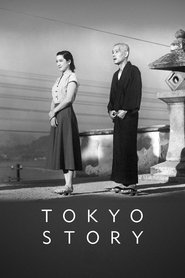 Tokyo StoryMovie · Noriko Hirayama
 Late SpringMovie · Noriko Somiya
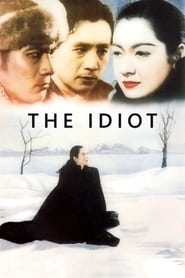 The IdiotMovie · Taeko Nasu
 Tokyo TwilightMovie · Takako Numata
 RepastMovie · Michiyo Okamoto
 The End of SummerMovie · Akiko
 Late AutumnMovie · Akiko Miwa
 Early SummerMovie · Noriko Mamiya
 ChûshinguraMovie · Riku Oishi
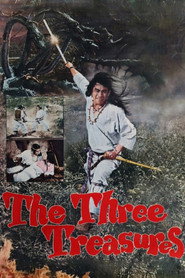 The Three TreasuresMovie · Amaterasu, the Sun Goddess
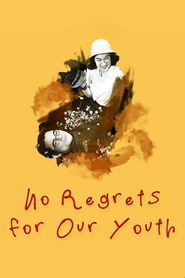 No Regrets for Our YouthMovie · Yukie Yagihara
 Daughters, Wives and a MotherMovie · Sanae Soga
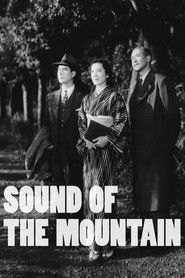 Sound of the MountainMovie · Ogata Kikuko
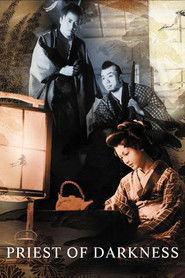 Priest of DarknessMovie · Onami
 The War at Sea from Hawaii to MalayaMovie · Kikuko
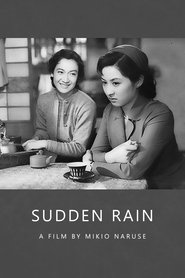 Sudden RainMovie · Fumiko Namiki
 Suicide Troops of the WatchtowerMovie · Yoshiko
 A Woman in the Typhoon AreaMovie · Kuriko Sato
 Tokyo SweetheartMovie · Yuki
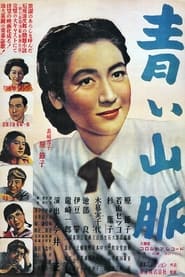 The Blue Mountains: Part IMovie · Yukiko Shimazaki
 The Rainbow-Colored FlowerMovie · Teruko
 The Ball at the Anjo HouseMovie · Atsuko Anjo
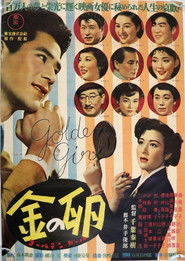 Kin no tamago: Golden GirlMovie ·
 A Brother and His SisterMovie · Akiko Mamiya
