

Acting
Hedy Lamarr
Born: 1914-11-09
Birthplace: Vienna, Austria
Biography
Hedy Lamarr (born Hedwig Eva Maria Kiesler; November 9, 1914 – January 19, 2000) was an Austrian-born actress and technology inventor. She was a film star during Hollywood's Golden Age.
After a brief early film career in Czechoslovakia, including the controversial Ecstasy (1933), she fled from her first husband, a wealthy Austrian ammunition manufacturer, and secretly moved to Paris. Traveling to London, she met Metro-Goldwyn-Mayer studio head Louis B. Mayer, who offered her a movie contract in Hollywood. She became a film star with her performance in Algiers (1938). Her MGM films include Lady of the Tropics (1939), Boom Town (1940), H.M. Pulham, Esq. (1941), and White Cargo (1942). Her greatest success was as Delilah in Cecil B. DeMille's Bible-inspired Samson and Delilah (1949). She also acted on television before the release of her final film, The Female Animal (1958). She was honored with a star on the Hollywood Walk of Fame in 1960.
At the beginning of World War II, she and avant-garde composer George Antheil developed a radio guidance system for Allied torpedoes that used spread spectrum and frequency hopping technology to defeat the threat of jamming by the Axis powers. This system later became the basis for what is now known as Bluetooth.
Description above from the Wikipedia article Hedy Lamarr, licensed under CC-BY-SA, full list of contributors on Wikipedia.
Movies & TV Credits
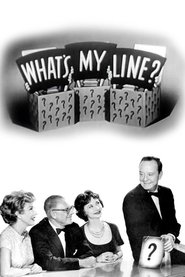 What's My Line?Tv · Self
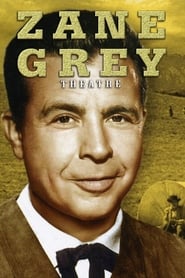 Dick Powell's Zane Grey TheatreTv · Consuela Bowers
 The Colgate Comedy HourTv · Self
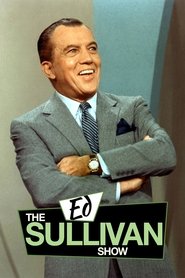 The Ed Sullivan ShowTv · Self
 The Steve Allen ShowTv · Self - Match Game Wife
 Samson and DelilahMovie · Delilah
 Ziegfeld GirlMovie · Sandra Kolter
 Bombshell: The Hedy Lamarr StoryMovie · Self (archive footage)
 Hollywood: Style Center of the WorldMovie · Self
 Brother, Can You Spare a Dime?Movie · Self (archive footage)
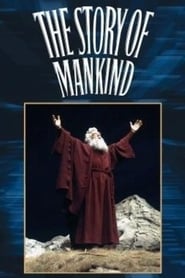 The Story of MankindMovie · Joan of Arc
 That's Entertainment, Part IIMovie · (archive footage) (uncredited)
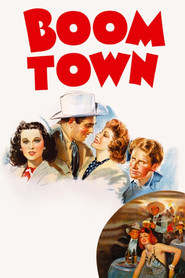 Boom TownMovie · Karen Vanmeer
 That's Entertainment! IIIMovie · (archive footage) (uncredited)
 Copper CanyonMovie · Lisa Roselle
 Come Live with MeMovie · Johnny Jones
 EcstasyMovie · Eva Hermann
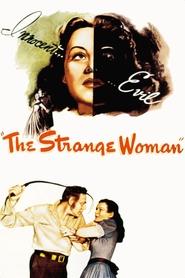 The Strange WomanMovie · Jenny Hager
 The First 100 Years: A Celebration of American MoviesMovie · Self (archive footage)
 My Favorite SpyMovie · Lily Dalbray
 Celebrity Naked AmbitionMovie · Self (archive footage)
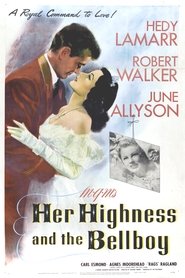 Her Highness and the BellboyMovie · Princess Veronica
 A Lady Without PassportMovie · Marianne Lorress
 AlgiersMovie · Gaby
