
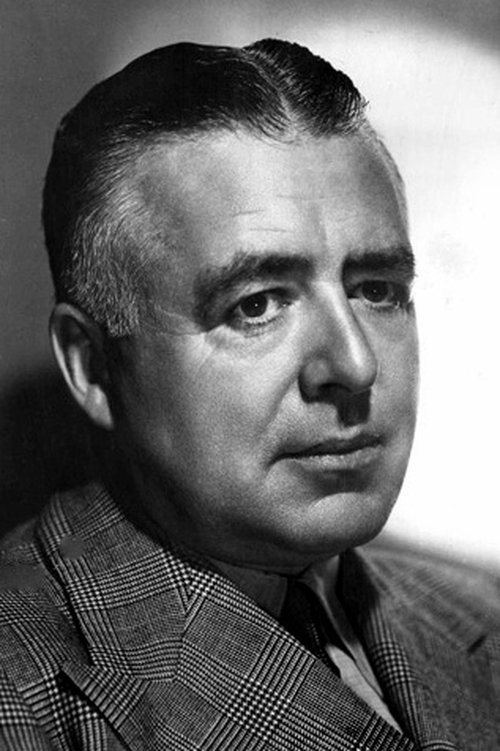
Directing
Clarence Brown
Born: 1890-05-10
Birthplace: Clinton, Massachusetts, USA
Biography
Clarence Leon Brown (May 10, 1890 – August 17, 1987) was an American film director.
After serving as a fighter pilot and flight instructor in the United States Army Air Service during World War I, Brown was given his first co-directing credit (with Tourneur) for The Great Redeemer (1920). Later that year, he directed a major portion of The Last of the Mohicans after Tourneur was injured in a fall.
Brown moved to Universal in 1924, and then to Metro-Goldwyn-Mayer, where he remained until the mid-1950s. At MGM he was one of the main directors of their major female stars, he directed Joan Crawford six times and Greta Garbo seven.
Brown was nominated five times for six films (see below) for an Academy Award as a director, but he never received an Oscar. However, he won Best Foreign Film for Anna Karenina, starring Garbo at the 1935 Venice International Film Festival.
Brown's films gained a total of 38 Academy Award nominations and earned nine Oscars. Brown himself received five Academy Award nominations for six films and in 1949, he won the British Academy Award for the film version of William Faulkner's Intruder in the Dust.
In 1957, Brown was awarded The George Eastman Award, given by George Eastman House for distinguished contribution to the art of film. Brown retired a wealthy man due to his real estate investments, but refused to watch new movies, as he feared they might cause him to restart his career.
The Clarence Brown Theater, on the campus of the University of Tennessee, is named in his honor. He holds the record for most nominations for the Academy Award for Best Director without a win, with six.
Movies & TV Credits
 The Twilight ZoneTv · (segment "Need to Know")
 HollywoodTv · Self (archive footage)
 Ben-Hur: A Tale of the ChristMovie · Chariot Race Spectator (uncredited)
 The YearlingMovie · Director
 The Secret GardenMovie · Producer
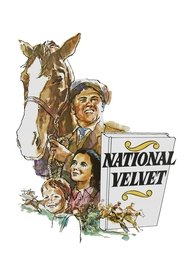 National VelvetMovie · Director
 Plymouth AdventureMovie · Director
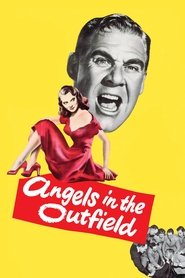 Angels in the OutfieldMovie · Director
 The White Cliffs of DoverMovie · Director
 Flesh and the DevilMovie · Director
 Never Let Me GoMovie · Producer
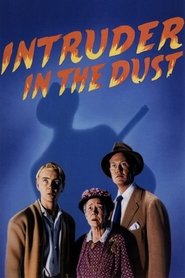 Intruder in the DustMovie · Director
 Anna KareninaMovie · Director
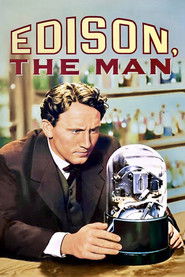 Edison, the ManMovie · Director
 Come Live with MeMovie · Director
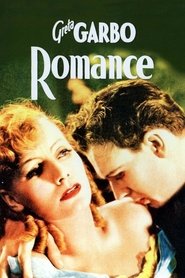 RomanceMovie · Director
 Song of LoveMovie · Director
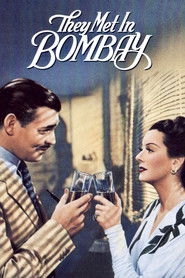 They Met in BombayMovie · Director
 To Please a LadyMovie · Director
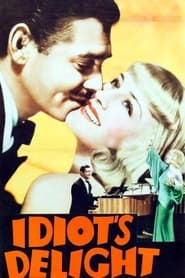 Idiot's DelightMovie · Director
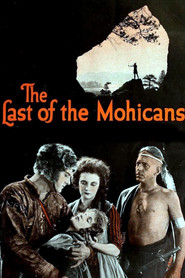 The Last of the MohicansMovie · Co-Director
 PossessedMovie · Man on Merry-Go-Round (uncredited)
 The Rains CameMovie · Director
 Sadie McKeeMovie · Director
