

Acting
Carmelo Bene
Born: 1937-09-03
Birthplace: Campi Salentina, Lecce, Italia
Biography
The filmmaking career of Carmelo Bene (1937 - 2002) lasted from 1968 to 1973, six years out of a lengthy time spent in the theater that made Bene one of the most celebrated figures of the Italian avant-garde in the second half of the 20th century.
Bene first made a name for himself with a controversial production of Camus’ Caligula in Rome in 1959. Subsequent productions retained this sense of notoriety, and Bene (like Pasolini) quickly acquired a police record. Bene, however, would come to bemoan the controversy his work created, because it attracted an audience looking for shocks and titillation, while he himself was more concerned with reinventing the vocabulary of the theater: sets, gestures, texts.
Bene’s turn to cinema expanded that quest to reinvent. His films resist synopsis because, although they are often derived from narrative sources, Bene uses these sources against themselves and as a springboard for his critique of the stultifying traps of representation and interpretation. The films are wildly inventive and visually arresting on several levels: the performance styles of his actors, including eccentric movements, gestures and grimaces; the sets, costumes and makeup; the editing; and the use of the camera, with stable shots regularly punctuated by handheld camera work, extreme close ups and the occasional baroque use of zooms, dollies, cranes, elaborate pans and exaggerated camera angles. They resemble something like the work of Jack Smith crossed with the experimental Pasolini of Teorema and Pigsty.
One constant feature of Bene’s work is its satire of heterosexuality. The two sexes keep trying to communicate with each other, but always fail to do so. Bene’s work constantly deflates masculinist pretenses at mastery: his male characters tend to be hapless and often hysterical, while his female characters are alternately predatory and remote, and unknowable in either case. But this satire is merely the most visible form of Bene’s revolt against convention and communication. Over and over again in the films, everyday actions become hopelessly complicated or endlessly interrupted. His characters often end up staring quizzically offscreen or even into mirrors, as if they were no more sure than we are of the meaning of what they see. Indeed, identity and by extension agency seem to get suspended, along with meaning. What is left is glorious spectacle and enigmas for the eyes and ears: endless music; babbling, stuttering text; excessive and exciting images. – David Pendleton
Movies & TV Credits
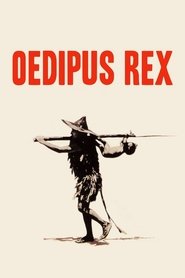 Oedipus RexMovie · Creon
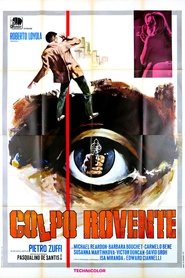 Red Hot ShotMovie · Billy Desco
 NecropolisMovie · Man with leather jacket
 Amleto di Carmelo Bene (da Shakespeare a Laforgue)Movie · Amleto
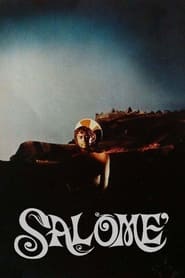 SaloméMovie · Erode Antipa / Onorio
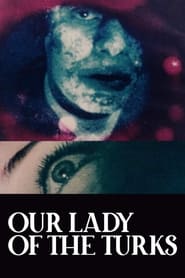 Our Lady of the TurksMovie · The Protagonist
 Catch As Catch CanMovie · Prete
 Hommelette for Hamlet, operetta inqualificabile (da J. Laforgue)Movie · Amleto
 One Hamlet LessMovie · Hamlet
 Tracce di BeneMovie · Self
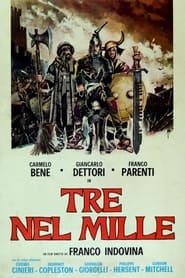 Tre nel milleMovie · Pannocchia
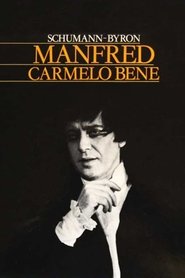 Manfred, versione per concerto in forma di oratorioMovie ·
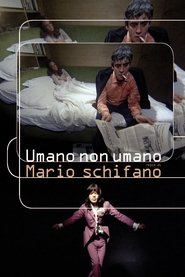 Umano Non UmanoMovie · Self
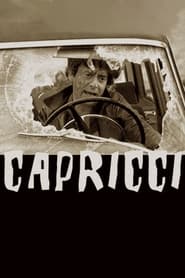 CapricciMovie · Poet
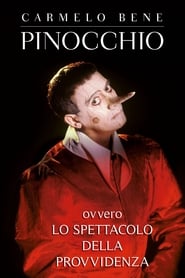 Pinocchio, ovvero lo spettacolo della ProvvidenzaMovie · Pinocchio / Geppetto / Mastro Ciliegia / Grillo Parlante / Mangiafuoco / Volpe / Lucignolo
 Riccardo IIIMovie · Riccardo III
 Un'ora prima di Amleto, più PinocchioMovie · Himself
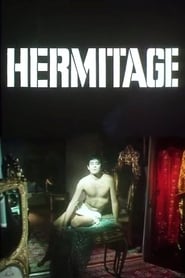 HermitageMovie · The Man
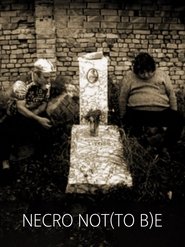 Necro not(to b)eMovie · Sé stesso
 In-vulnerabilità d'Achille (tra Sciro e Ilio)Movie ·
 BisMovie ·
 La parte maledetta. Viaggio ai confini del teatro - Carmelo BeneMovie · Himself (archive footage)
 BENE! Vita di Carmelo, la macchina attorialeMovie ·
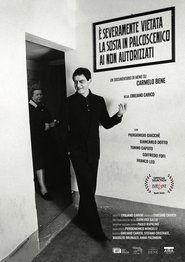 È severamente vietata la sosta in palcoscenico ai non autorizzati. Un documentario di meno su Carmelo BeneMovie · Himself (archive footage)
